

WORKSHOPS

GET YOUR MOTOR RUNNING!
NO CHILD LEFT INSIDE!
UP, UP & AWAY!
OODLES OF ART!
PICASSO MEETS EINSTEIN!
GIGGLES & WIGGLES!
BAG OF TRICKS!
PLAYING TO LEARN!
LITTLE BUSY BODIES!
CELEBRATE CHILDREN!
FIGHT CRIME - INVEST IN KIDS!
BAG OF TRICKS!
Transition Tools & Tips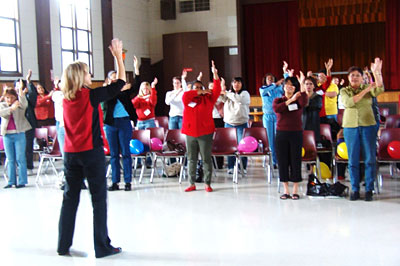

Testimonials
Download Workshop Handout
Download Workshop Proposal
*Download printable PDFs
DESCRIPTION:
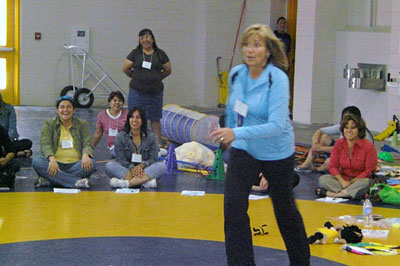
You don't have to be a magician to create transitions that help young children
move smoothly and joyfully from one activity to the next. Add to your collection
of quick and amusing learning activities to facilitate transitions with children.
These "in-between-activity" times are valuable teachable moments.
OBJECTIVES/LEARNING OUTCOMES:
- Discuss the importance of planning and organizing transition times.
- Identify principles and guidelines for developmentally appropriate transitions.
- Learn techniques and strategies to make transition times calm and not chaotic.
BENEFIT TO CONFEREES & CHILDREN:
better transitions. Attendees will learn how to select and be prepared with creative and motivating transition activities for clean-up time, joining and leaving group time, sharing, relaxing and resting for nap time, preparing for snack time, welcoming and ending the day, and refocusing with attention getters.
SUMMARY:
Transition refers to children's movement from one activity to another. The transition becomes an activity and learning experience itself if planned and facilitated. Transitions represent change--change of activity level, space or focus. They can be especially difficult for young children and perhaps the most perplexing challenge for the early childhood educator. Transitions are a significant part of the day that deserve the same attention and planning that the other parts of the day receive. Knowing about different transitions and how to plan for them with a variety of activities will make your day go smoother and your children happier. When children's needs during transition times are tended to, children will be better able to make transitions in life. Being able to successfully transition from one experience to another involves intrapersonal intelligence.
AUDIO/VISUAL:
Power for iPod and speaker system
Wireless lavaliere microphone (if large group)
FORMAT:
Lecture/ Demonstration/ Active Involvement

Sharron Krull
Teacher/Trainer/Author/Play Guru
(925) 980-8353
© 2026 Sharron Krull